The Enceladus Project
an organic planetary cooling measure
Partner with us to lower Earth’s temperature by up to 0.91°C by 2050
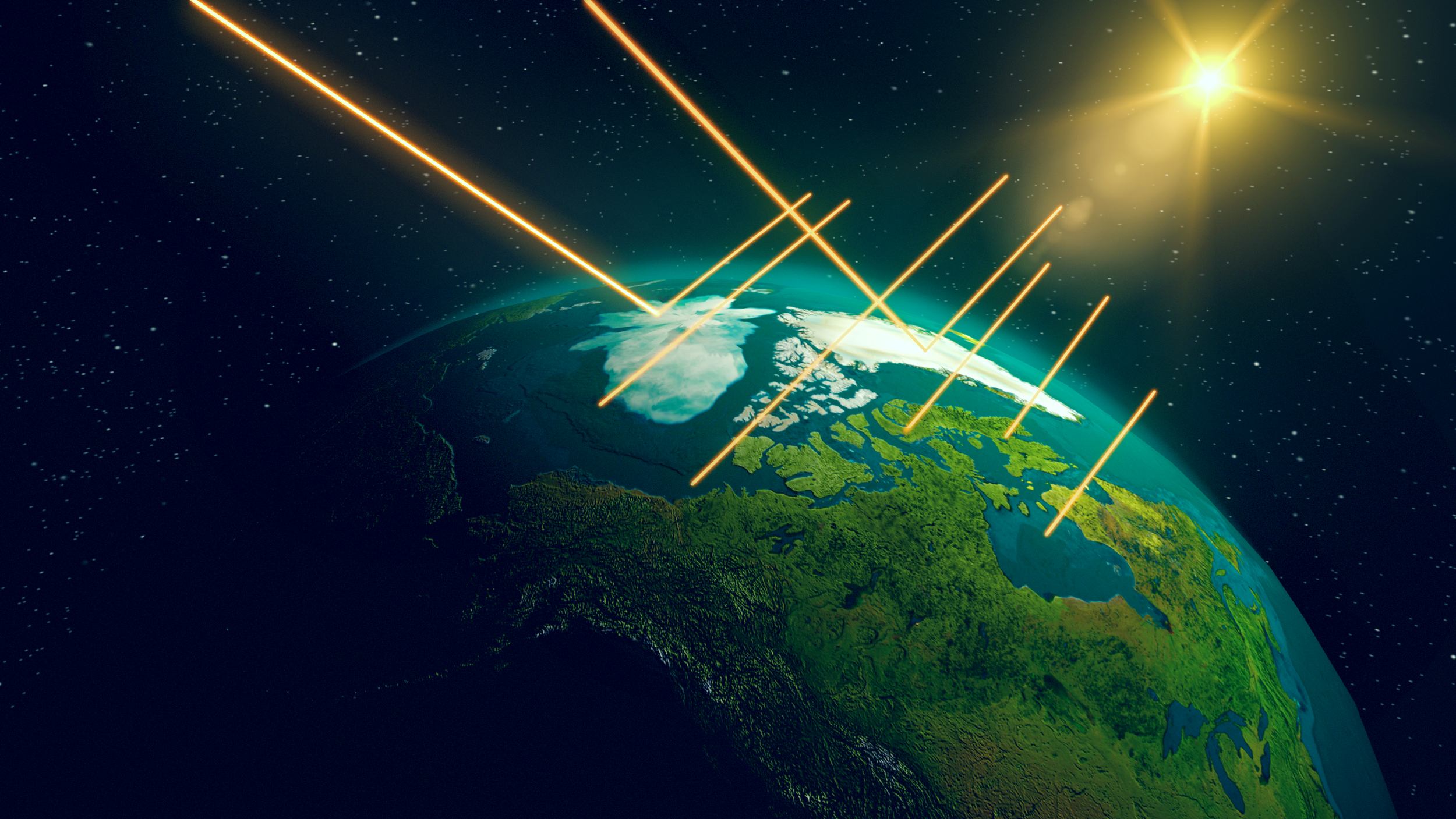
The Enceladus project is designed to effectively replace the dramatic loss of planet-cooling albedo in the Arctic caused by sea ice melt during the past forty-five years.
Albedo Replacement
The Enceladus Project represents an attempt to rethink what planetary cooling can mean. The choice does not necessarily have to be between accepting continued warming and deliberately dimming the Sun. There may be another possibility: replace part of the cooling capacity the planet has lost. If successful, the Enceladus Project could demonstrate that large-scale planetary cooling need not depend upon aerosols in the atmosphere, artificial shadows in space, or deliberate manipulation of incoming solar radiation. Instead, it could be based on something much more familiar: reflectivity.

White Silica Sand
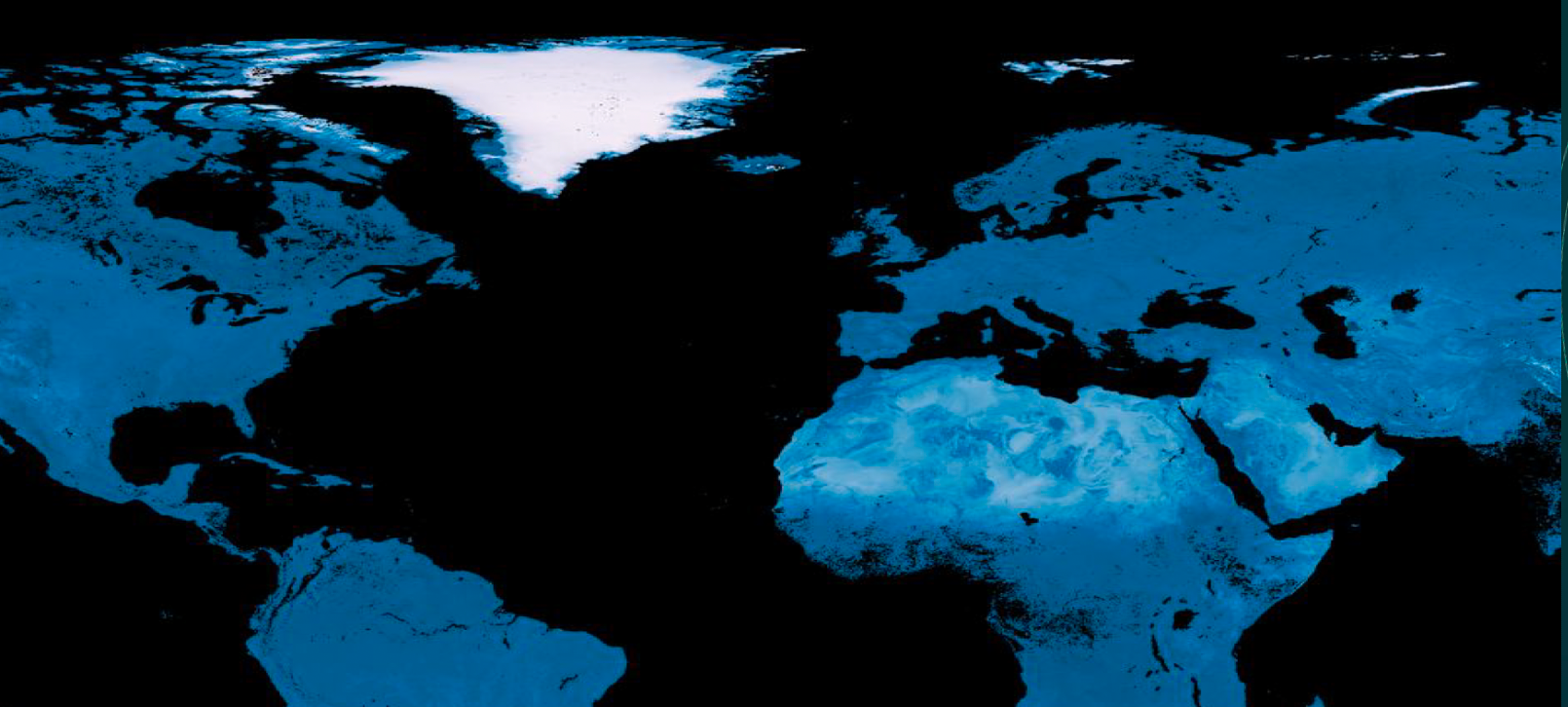
The Enceladus Project proposes creating highly reflective white silica snowfields in suitable non-dune desert regions of North Africa. The underlying concept is deliberately straightforward: use naturally abundant, high-purity white silica sand from the broader MENA region to create reflective surfaces capable of returning a portion of incoming solar energy directly back toward space. The project has been conceived as an attempt to replace the planetary cooling function of approximately five million square kilometres of Arctic sea ice that have disappeared since 1979, together with the associated loss of snow-covered surfaces in the Arctic. The current concept envisions up to approximately 3.8 million square kilometres of white silica snowfields.
Buying Crucial Time
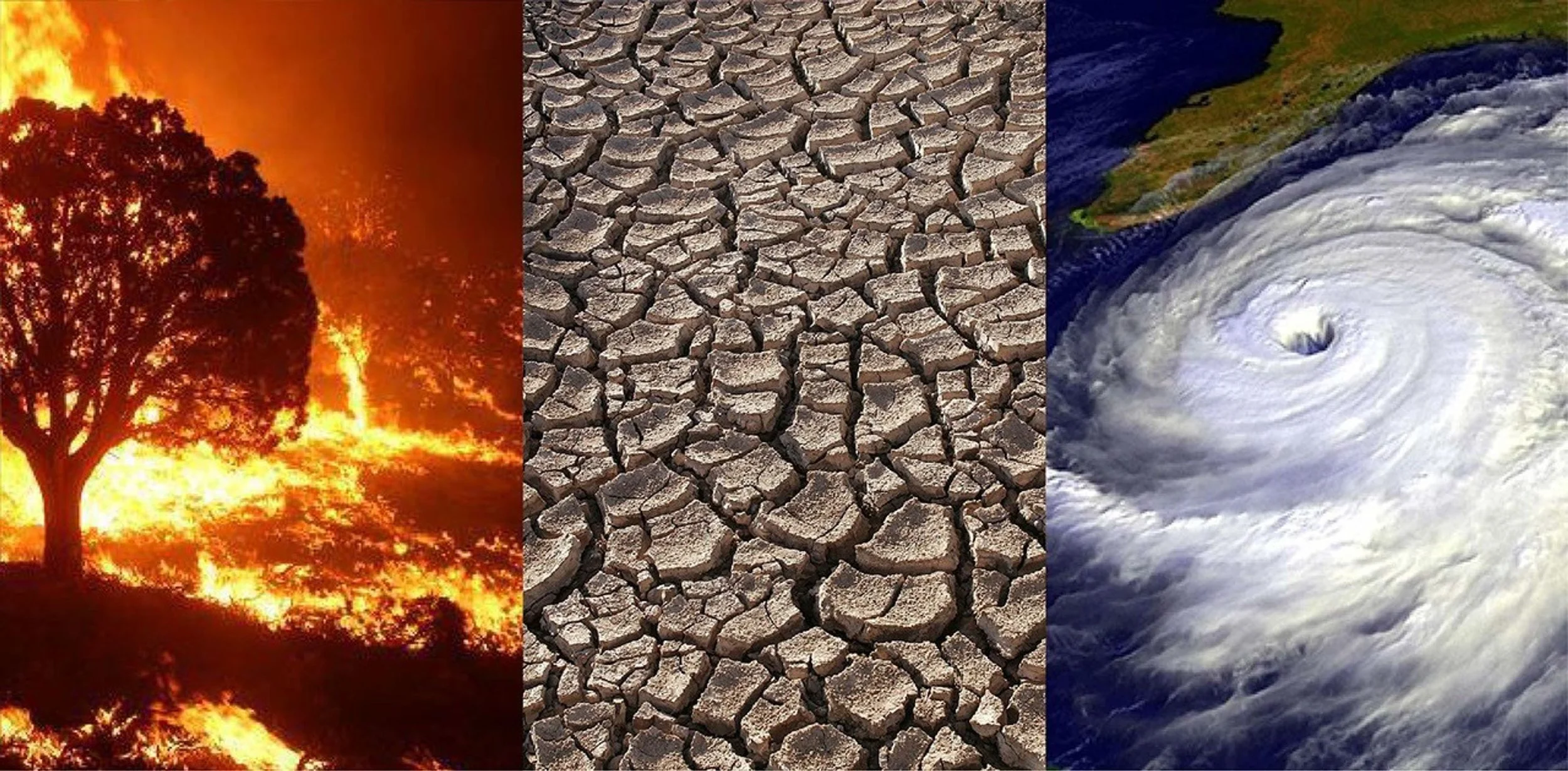
The Enceladus Project offers a parallel and complementary course of climate action—one designed not to replace the transition away from fossil fuels, but to help humanity manage the increasingly narrow window in which that transition must occur. Climate change is no longer a distant threat. The world is approaching temperature thresholds that could bring increasingly severe and potentially irreversible environmental consequences. If current warming trends continue, the +1.5°C threshold above pre-industrial levels could be reached around 2030–2032, bringing forward the period in which the most damaging effects of climate change are expected to intensify. The question, therefore, is not simply how we stop warming in the long term. It is how we buy enough time to get there. That is the role envisioned for the Enceladus Project.
A concept definition
What the Enceladus Project is Not
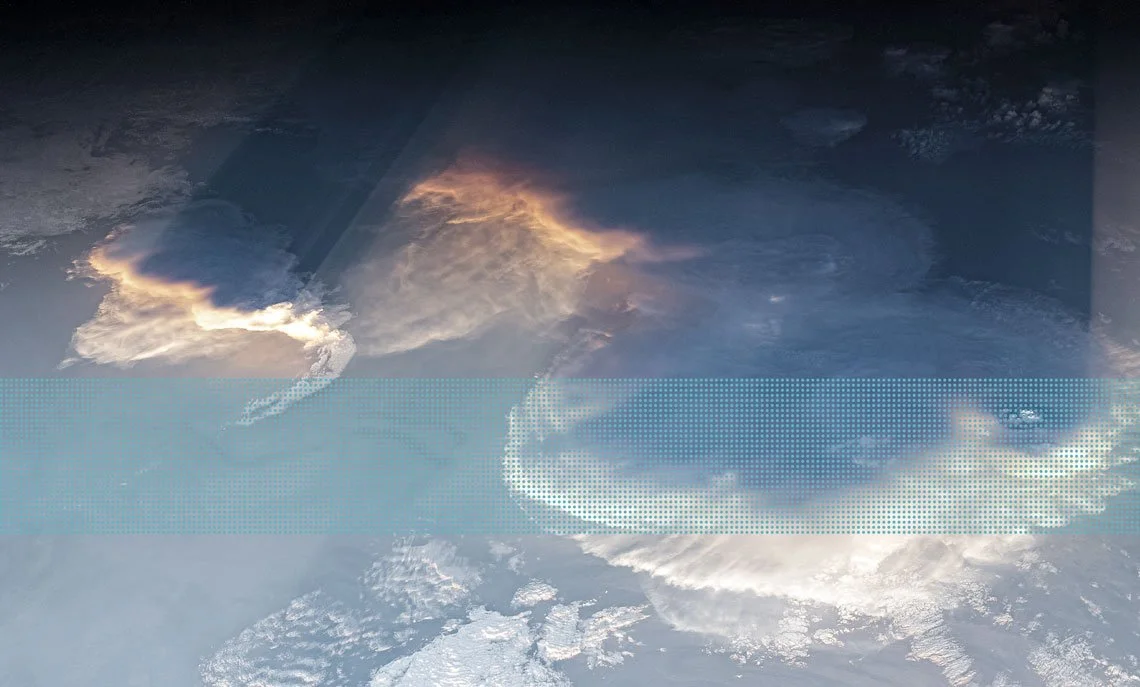
The Enceladus Project is NOT a geoengineering initiative. Rather, it is consistent with the objectives of the Convention on Biological Diversity (CBD) because it does NOT interfere with the transmission of solar radiation—a technique advocated by geoengineering projects that propose using aerosols to cool the planet, for instance. The CBD currently bans the use of aerosols to cool the planet.
Together, let’s cool our planet.
Contact:
The Enceladus Project
To learn more about the Enceldaus Project, please complete the contact form below. We look forward to speaking.